
How Waterproof Membranes Work
How Waterproof Breathable Membranes Work
Understanding the science behind ePTFE, TPU, and PU membrane technology.
Key Properties of ePTFE Membrane
| Structure | Microporous expanded PTFE |
| Waterproof | IP67 / IP68 (2–50 m water column) |
| Breathable | 200–12,000 ml/min @ Ø10 mm, 7 kPa |
| Temperature | −40 to +260 °C |
| Chemical resistance | Excellent |
What Is a Waterproof Breathable Membrane?
A waterproof breathable membrane is a thin, porous material that blocks liquid water while allowing air and water vapor to pass through. The core principle is hydrophobic microporosity: the pore size is small enough to stop liquid water droplets (typically > 100× the diameter of a water molecule), yet large enough to let air molecules and vapor diffuse through.
How ePTFE Membrane Works
1. Microporous Structure
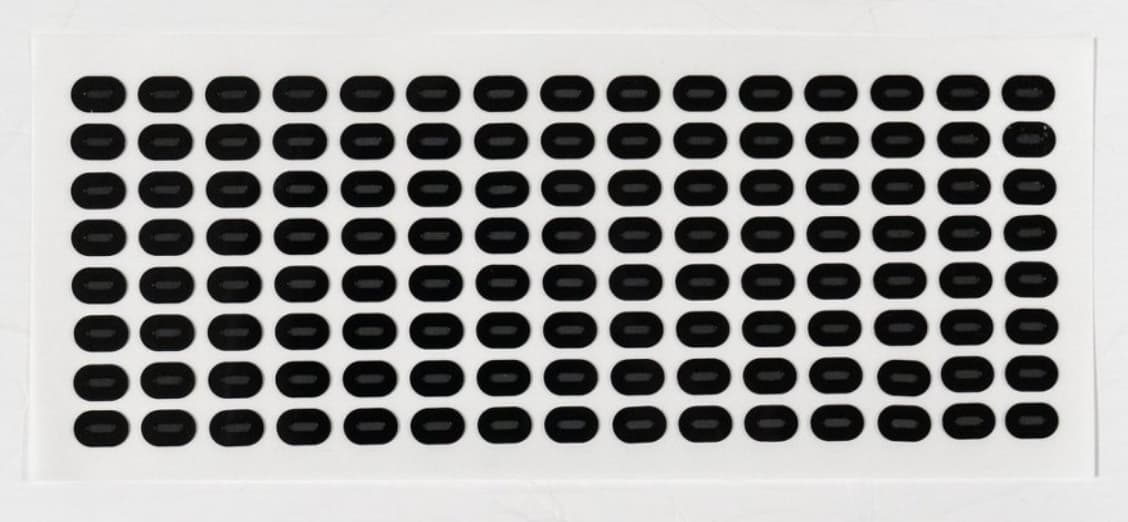
Expanded PTFE (ePTFE) is created by stretching PTFE at high temperature, forming a node-and-fibril microstructure with billions of micropores per square inch. These pores are approximately 0.1–0.3 μm in diameter — small enough to block water droplets but large enough for air permeability.
2. Hydrophobic Surface
The fluorocarbon surface of ePTFE has an extremely low surface energy (~18 mN/m), which means water cannot wet or penetrate the pores. This creates a durable, self-cleaning waterproof barrier.
3. Breathability Mechanism
Water vapor molecules (0.0004 μm) are far smaller than the pores. Driven by humidity and temperature differences, vapor diffuses through the membrane, allowing "breathing" while maintaining a waterproof seal.
How TPU Membrane Works
Thermoplastic Polyurethane (TPU) membranes use a dense, non-porous or semi-porous structure. Waterproofing is achieved through the material's inherent density and hydrophilic properties. Some TPU films incorporate micro-perforations or nanoporosity to achieve breathability while maintaining high acoustic transparency — making them ideal for TWS earbuds and wearable devices.
How PU Membrane Works
Polyurethane (PU) membranes provide a cost-effective waterproof barrier using a similar dense-film or micro-porous approach. They offer good flexibility and moderate breathability, suitable for general waterproof protection where extreme conditions are not expected.
Key Performance Parameters
- Water Entry Pressure (WEP) — The water pressure at which leakage begins, measured in mmH₂O or kPa.
- Air Permeability — Volume of air passing through per unit area per time (L/min/cm²).
- Moisture Vapor Transmission Rate (MVTR) — How fast water vapor passes through (g/m²/24h).
- Acoustic Loss — Sound pressure reduction across the membrane (dB), critical for microphone and speaker vents.
- IP Rating — Ingress Protection level (IP67 = 1m/30min immersion; IP68 = continuous immersion).
Applications in Real Products
- Automotive — ECU vents, sensor ports, battery pack pressure relief
- TWS Audio — Earbud acoustic vents with ≤1dB loss
- Wearables — Smart watch, electric toothbrush sealing
- Outdoor Electronics — Lighting, enclosures, industrial sensors
Need the Right Membrane for Your Application?
Contact our engineering team for technical consultation, free samples, and custom die-cutting solutions.
References & Standards
- IEC 60529 — IP Code (IEC official): the international standard that defines the IP67 / IP68 ratings referenced throughout this site.
- EU RoHS Directive: restriction of hazardous substances for electrical and electronic equipment placed on the EU market.
- EU REACH Regulation: registration, evaluation, authorization and restriction of chemicals.
- US EPA — PFAS: federal guidance on per- and polyfluoroalkyl substances relevant to fluoropolymer choices.
- W. L. Gore & Associates: the originator of expanded PTFE (ePTFE) membrane technology.
Related guide: See the complete Waterproof Breathable Membrane overview for material comparisons, selection criteria, and application design.