
Pressure Equalization Vent Membrane — Full Technical Specifications
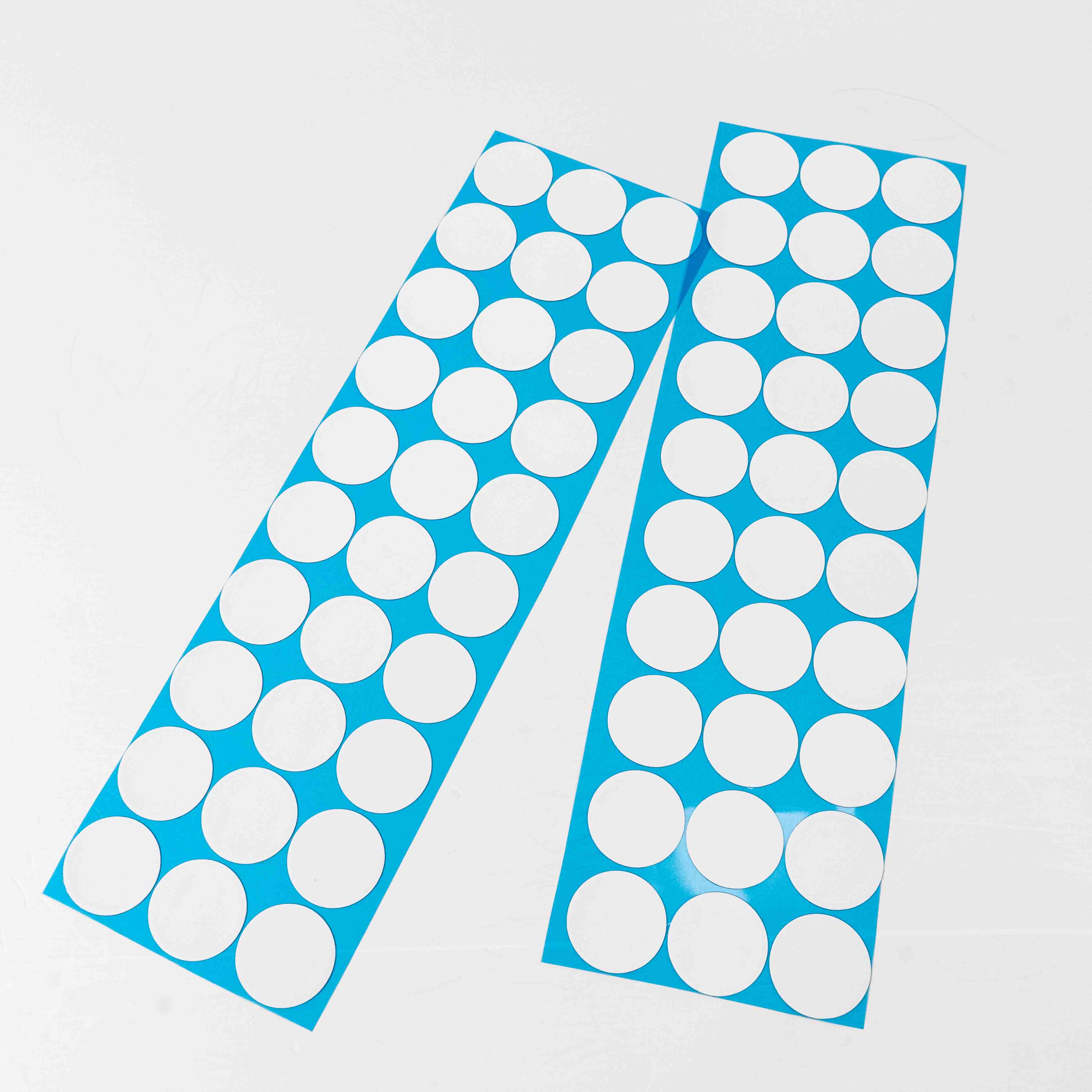
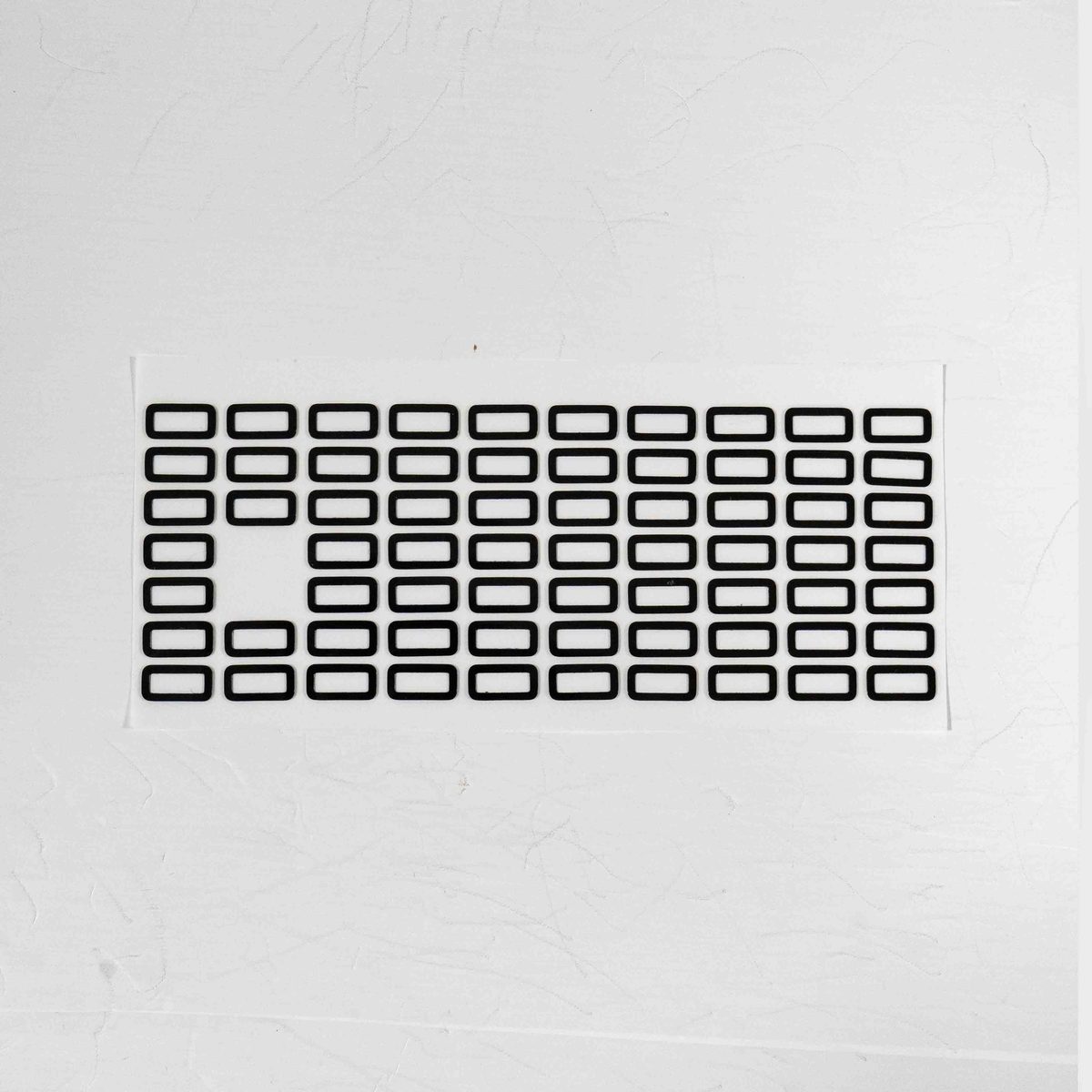
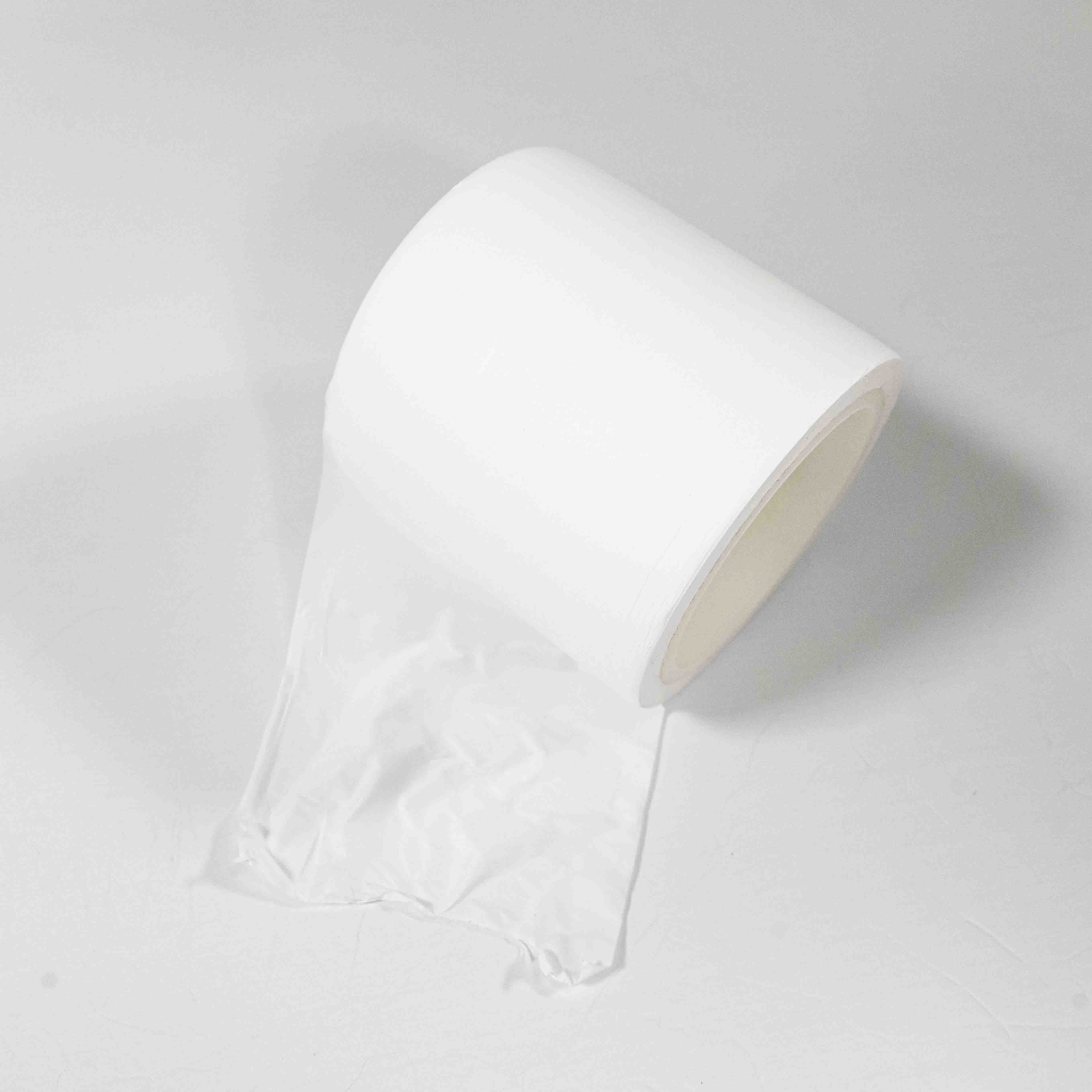
Pressure Equalization Vent Membrane — Full Technical Specifications
A pressure equalization vent membrane (泄压平衡透气膜) is an ePTFE vent that balances internal and external air pressure in sealed enclosures while blocking water and dust. It prevents housing deformation, lens fogging, and seal failure caused by altitude, temperature, or washing changes. This page provides the complete data sheet and selection guide.
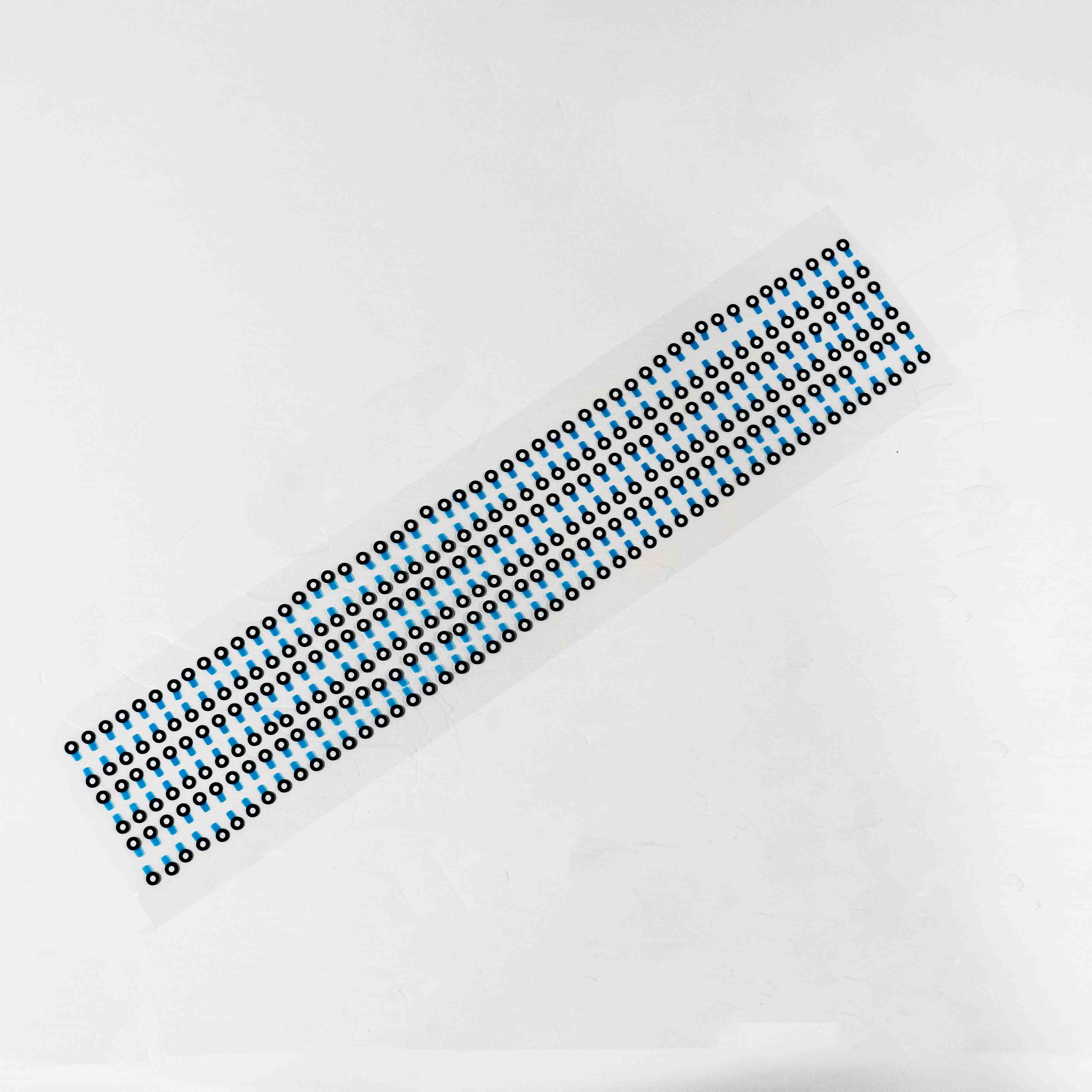
What Is a Pressure Equalization Vent?
Sealed enclosures build pressure differences when temperature or altitude changes. The vent's microporous ePTFE membrane lets air move both ways to equalize pressure, while its hydrophobic structure blocks liquid water and dust. This protects gaskets and housings from fatigue.
Complete Technical Data Sheet
| Parameter | Typical Range / Value | Test Standard |
|---|---|---|
| Base material | ePTFE / PTFE composite | — |
| Air flow (透气量) | 200–12,000 ml/min @ Ø10 mm, 7 kPa | ASTM D737 |
| Pressure equalization | Balances 0.1 – 1 bar differential | — |
| Water column (防水) | 2 – 50 m water depth (IP67 / IP68) | ISO 811 / IEC 60529 |
| IP rating | IP67 / IP68 | IEC 60529 |
| Operating temperature | -40 °C to +260 °C | IEC 60068-2 |
| Thickness | 0.05 – 0.25 mm | ASTM D374 |
| Chemical resistance | Excellent | — |
Why Pressure Equalization Matters
Without a vent, a sealed box heats and cools, building negative or positive pressure that flexes the housing, stresses the seal, and pulls in moisture. A pressure equalization vent relieves this continuously, extending seal life and preventing condensation inside lamps, sensors, and battery packs.
Typical Applications
- Automotive headlights, tail lights, and sensors
- EV battery packs and BMS enclosures
- Outdoor cameras and solar controllers
- Industrial control boxes and gauges
- Marine and agricultural electronics
How to Select the Right Vent
Choose based on: (1) required air flow for equalization speed, (2) water column for the environment, and (3) mounting form (patch, screw-in valve, or insert). High-submersion parts need the 30–50 m grade.
Frequently Asked Questions
What pressure difference can it balance?
Standard vents relieve 0.1 – 1 bar differential, enough for altitude and temperature swings in most enclosures.
What IP rating is achievable?
IP67 / IP68 with a 2–50 m water column depending on grade.
Does it prevent condensation?
Yes. By equalizing pressure and allowing vapor exchange, it stops the pressure-driven moisture ingress that causes fogging.
What is the operating temperature?
-40 °C to +260 °C continuous, far beyond PU / non-fluorine films capped near 120 °C.
How deep can it be submerged?
ePTFE vents reach 2–50 m water column; PU / non-fluorine films only 1–2 m.
What mounting styles exist?
Self-adhesive patches, snap-in vents, and screw-in vent valves for different housings.
Can it be customized?
Yes. Air flow, shape, membrane area, and adhesive are customizable to your standard.
Will it degrade the seal over time?
No — the vent reduces seal stress, extending gasket life rather than reducing it.
What certifications apply?
RoHS and REACH; verified per ASTM and IEC methods listed.
Request a Free Sample or Quote
Need a vent for your enclosure? Contact Mimoyin for free samples, drawings, and a customized pressure-equalization quote.
Breathability & Water-Pressure Capability
| Tier | Breathability (ml/min @ Ø10 mm, 7 kPa) | Water pressure | Typical application |
|---|---|---|---|
| Low breathability (high waterproof) | 200–1,000 | 50–30 m | Deep-water / harsh waterproof; custom per spec |
| Mid (balanced) | 1,000–5,000 | 30–2 m | Automotive / general outdoor; custom per spec |
| High breathability | 5,000–12,000 | 10–1 m | High heat dissipation / low waterproof need; custom per spec |
Mimoyin does not sell fixed catalog SKUs. For each project we match the membrane material to your drawing and required breathability, acoustic loss, and water pressure, then produce samples for your validation testing.